

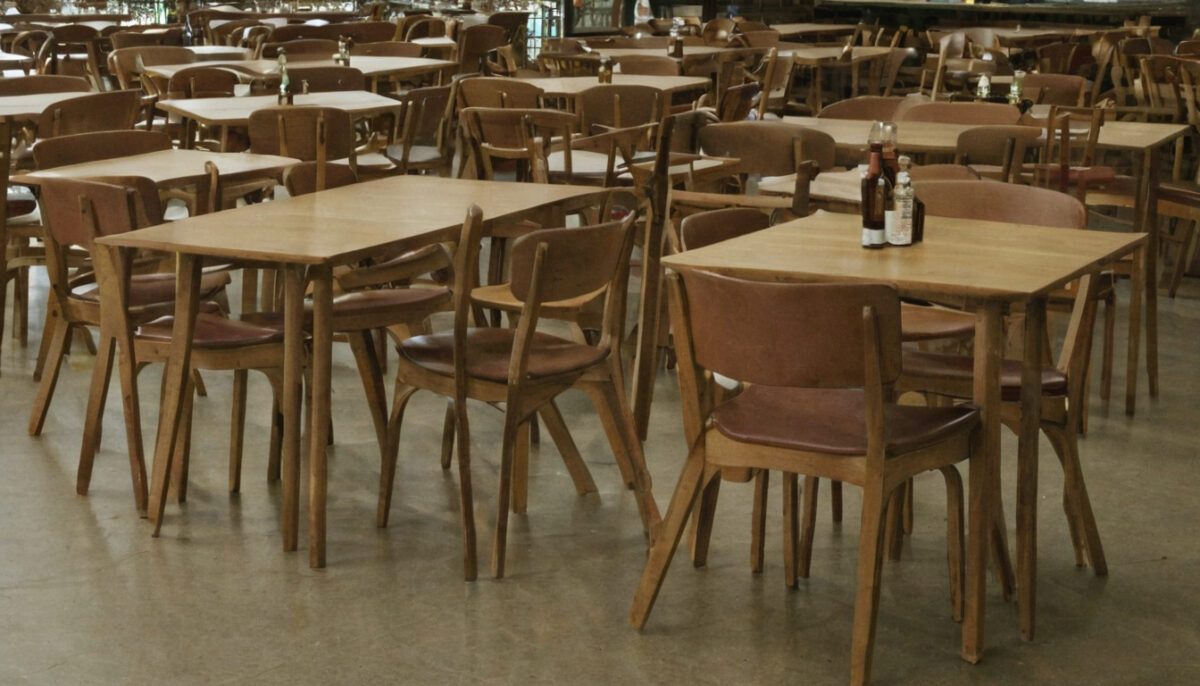
An attractive but unverified chair order can miss the opening date or fail during the first weeks of service. The operator, designer, purchasing team, and owner must approve fit, performance, materials, quantities, and logistics before production starts, while there is still time to correct a bad decision.
Restaurant chairs should be specified from the service plan and opening date backward
Specify restaurant chairs against the operating plan, project location, budget, and latest acceptable installation date. A catalogue image or unsupported “contract grade” description is not an operating brief.
Which operating conditions determine whether restaurant chairs are suitable?
Convert daily service into written requirements before shortlisting models:
- Map every zone: main dining, bar, private dining, terrace, and accessible seating locations. State indoor or outdoor use for every chair, armchair, counter stool, and bar stool.
- Record service pressure: meal periods, table turns, chair movement, stacking, storage, floor protection, glide type, cleaning frequency, and any intended user load established by the operator or test documentation.
- Identify exposure: food, grease, disinfectant, abrasion, sunlight, moisture, and condensation. The EPA identifies furnishings, paints, varnishes, waxes, building materials, and cleaning products as potential indoor sources of volatile organic compounds and recommends increased ventilation when using emitting products indoors. Review the EPA’s indoor VOC guidance during finish and cleaning-product coordination.
- Control moisture: investigate damp storage rooms, terraces, and cleaning areas. The EPA’s residential moisture guidance recommends correcting wet or damp areas promptly. That is a useful planning principle, not a commercial code requirement.
- Fix commercial limits: approve the unit budget, delivered-and-installed allowance, and decision-makers for design, operations, ownership, purchasing, and local code review.
The opening date creates approval and delivery gates for the chair order
Work backward from the latest installation date:
- Reserve time for the punch list and replacements.
- Allow for receiving, assembly, installation, and any required acclimation.
- Add transit, customs, and an approved contingency.
- Confirm the current production lead time and the event that starts it.
- Complete mock-up, finish, upholstery, and purchase-order approvals before that trigger.
Once the programme is credible, check every chair against the specified tables and furniture plan.
Restaurant chair dimensions must be checked with the specified tables and floor plan
Restaurant chair dimensions are acceptable only when the chair works with the specified table, intended users, spacing plan, and service paths. Current drawings and a physical mock-up must confirm the fit before release.
How should restaurant table chairs be checked for clearance and comfort?
- Record seat height, compressed seat height where relevant, seat width and depth, overall dimensions, back height, and arm height from current manufacturer drawings.
- Compare those dimensions with tabletop height, top thickness, apron depth, pedestal position, base spread, and clear knee space.
- Mock up the exact chair with a representative table. Test clearance, stability, posture, and comfort with the operator, designer, and a representative range of intended users.
- Mark occupied and pulled-out positions on the plan. Check pedestal feet, adjacent chairs, banquettes, walls, and server paths. A server carrying two plates should not have to turn sideways around a pulled-out armchair.
Which chair locations require project-specific accessibility review?
The project’s qualified code professional should confirm accessible seating locations and quantities against applicable accessibility, building, fire, and egress requirements. Review dining surfaces, clear floor space, required routes, and removable seating without assuming one universal dimension.
Quantities must follow the resulting approved plan revision. With fit established, the next question is whether the exact chair configuration has verified performance.
A contract claim is not a substitute for model-specific chair test evidence
Release restaurant chairs only after the supplier identifies the exact tested model, configuration, method, result, date, and issuing laboratory or organisation. Confirm that the cited standard covers the chair category and intended hospitality use. Evidence for another frame, base, arm option, or market remains an unresolved gap.
A contract claim is not a substitute for model-specific chair test evidence shown as an editorial planning reference.
Which construction details are most likely to fail during restaurant service?
Inspect the sample chair against the proposed model number, frame material, joinery, base, arms, upholstery construction, and options. Look for rocking frames, moving joints, exposed fasteners, loose glides, uneven feet, strained upholstery, and stacking contact points that mark finishes or crush seats.
Comparable-venue reports can reveal recurring faults, but experience does not replace a model-specific report. Obtain the commercial warranty, exclusions, remedies, maintenance conditions, use limitations, stacking instructions, and availability of replacement glides, feet, fasteners, and upholstery components.
The chair specification should distinguish verified performance from unresolved claims
Maintain an evidence record for durability, stability, strength, finish, flammability, and outdoor-performance claims. State the requirement, document revision, tested configuration, result, applicability, open action, and responsible party.
Keep technical evidence separate from freight paperwork. For cargo claims governed by 49 CFR Part 370, a claim must identify the shipment, assert carrier liability, and request a specified or determinable amount. A delivery-receipt notation alone may not satisfy those requirements. Resolve the chair’s technical gaps before ordering rather than relying on a later remedy.
Restaurant-chair upholstery and finishes require exact samples, test reports, and care approval
Material approvals must identify the exact textile, colour, backing, treatment, substrate, finish system, sheen, and production sample. Mill data, chair-maker approval, and compatible care instructions should govern selection. A digital image cannot approve the assembly.
What does a Martindale count establish for restaurant-chair fabric?
ASTM D4966-22 is a test method for measuring textile abrasion resistance with a Martindale abrasion tester. The report should identify the specimen, conditioning, endpoint, treatment, applicable edition, and result. The count alone does not establish cleanability or restaurant service life.
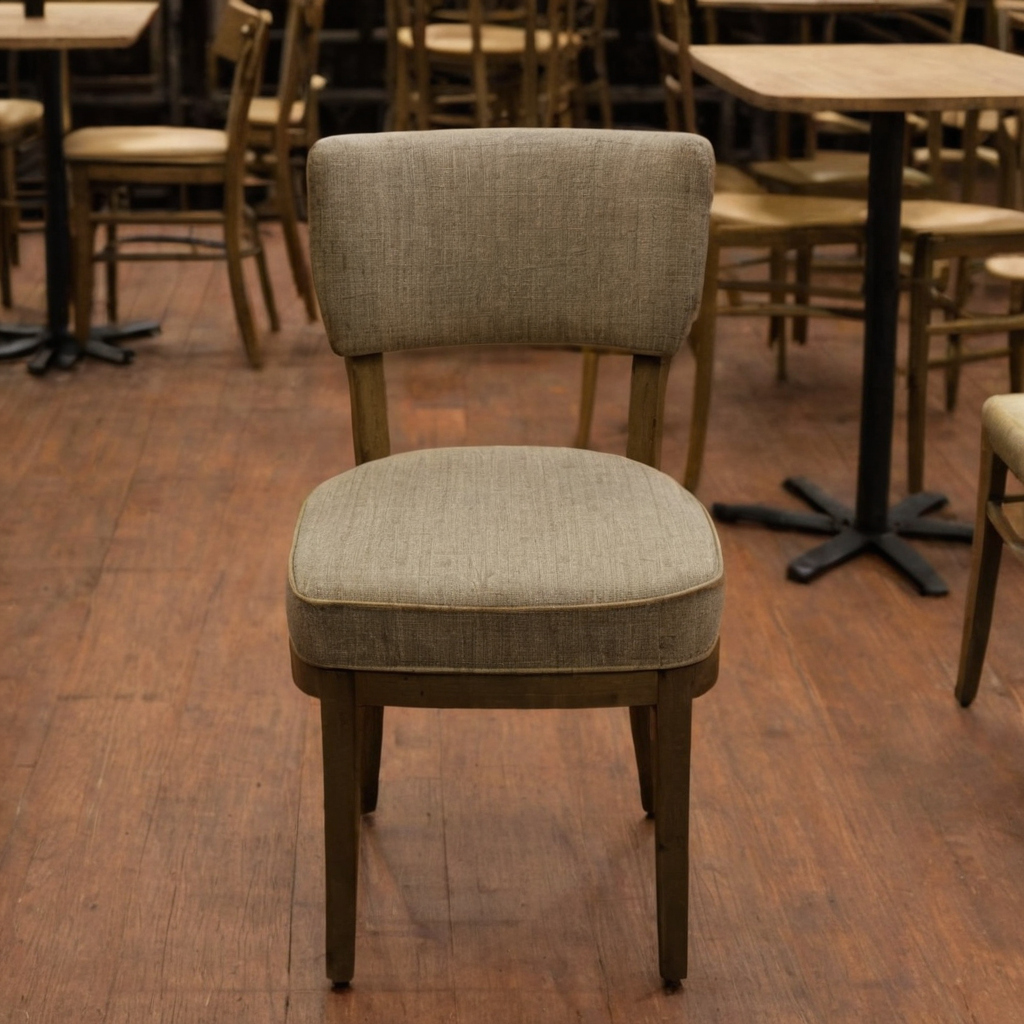
Restaurant-chair upholstery and finishes require exact samples, test reports, and care approval shown with practical context cues.
Also review composition, width, repeat, pilling, seam slippage, colourfastness, crocking, stain-treatment restrictions, availability, and written customer-own-material approval. Confirm yardage, railroading direction, backing, and cleaning compatibility before cutting fabric.
How should a finish control sample be approved and retained?
Approve a physical sample labelled with substrate, finish code, sheen, texture, production method, date, and signatories. Record acceptable timber grain or hand-finish variation. Assign a custodian to retain the signed sample for delivery and punch inspection. Then reconcile every approved material configuration against the order count.
The restaurant-chair quantity must reconcile the plan, spares, packaging, and budget
The order quantity must match the latest approved furniture plan by revision and issue date, with separate counts for every model, finish, upholstery, height, arm condition, and location. Keep packaging multiples, minimum orders, taxes, freight, receiving, installation, and waste removal visible in the cost schedule.
A chair schedule should identify every purchasable configuration
Give each variation that changes price, production, packaging, or installation its own line item. Record the item tag, manufacturer, model, dimensions, finish, upholstery, quantity, location, approval status, unit cost, and extended cost. State exclusions and owner-supplied materials, then reconcile the schedule with the valid dealer quotation.
How many spare restaurant chairs should be ordered?
There is no universal spare percentage. Set the allowance by replacement lead time, model continuity, acceptable downtime, storage capacity, minimum-order exposure, and possible finish or dye-lot variation. Record the spare location and budget impact. The final count is not ready until logistics have been tested against the opening programme.
The restaurant-chair quantity must reconcile the plan, spares, packaging, and budget shown with practical context cues.
Chair lead time is credible only when freight, receiving, and installation are included
A delivery date is credible only when the written order acknowledgment confirms the approved configuration, production trigger, ship point, freight term, estimated completion, transit method, and destination. The programme must also cover customs, receiving capacity, storage, inspection, assembly, installation, and replacement time.
What must the receiver inspect when restaurant chairs arrive?
The receiver must reconcile counts and carton labels, photograph packaging before opening, and inspect the model, finish, upholstery, joints, fasteners, and glides. Delivery receipts should record visible damage and shortages. Written procedures must define authority and deadlines for quarantine, rejection, concealed-damage reporting, photographs, and claim forms.
Partial chair shipments can protect or disrupt the restaurant opening
A split delivery helps only when each dining zone receives enough matching chairs to operate. Confirm lot consistency, added freight, storage, repeat receiving, and installer availability. Otherwise, the partial shipment consumes the recovery window rather than protecting it.
Release the restaurant-chair purchase order only after the specification passes final control
Release the restaurant-chair purchase order only when dimensions, samples, tests, quantities, prices, lead times, freight terms, receiving instructions, and approval responsibilities agree across the specification and quotation. An unresolved substitution, finish, code, or schedule issue remains a written hold point.
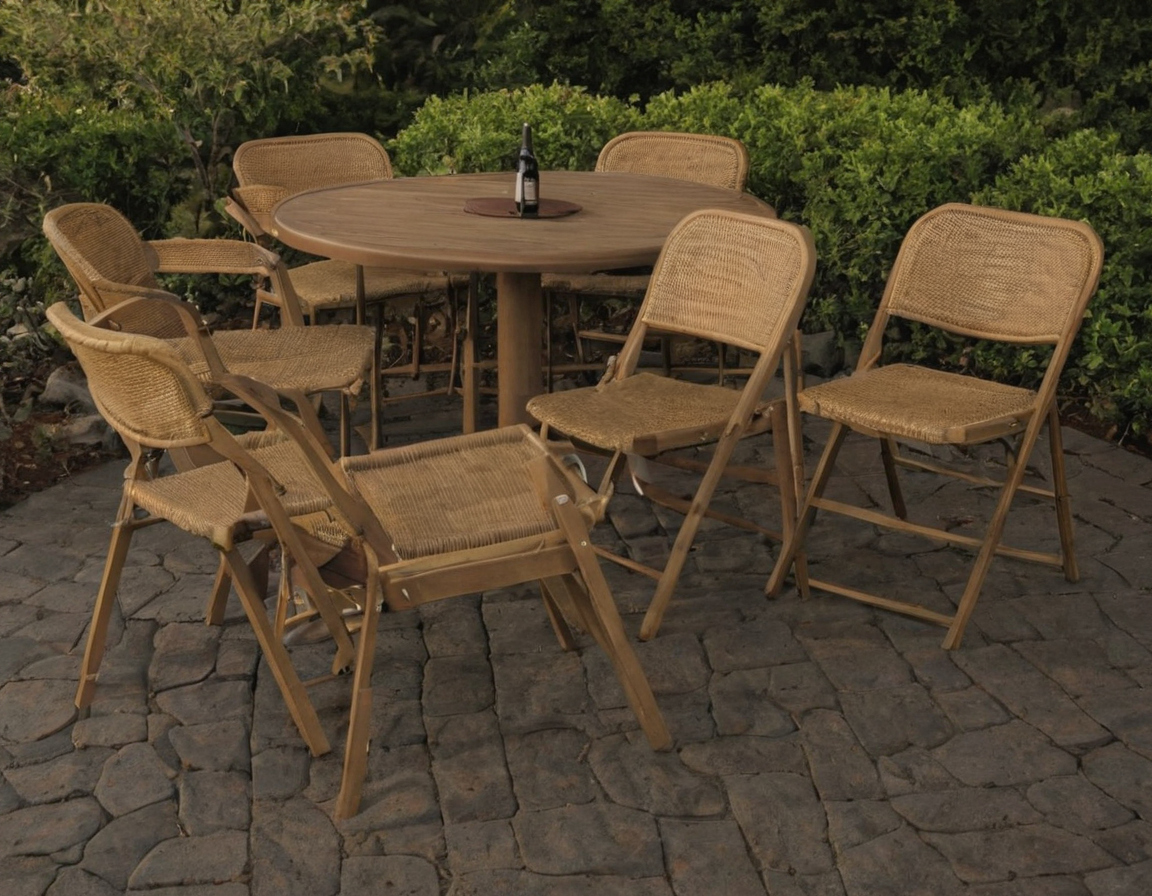
Release the restaurant-chair purchase order only after the specification passes final control shown as an editorial planning reference.
The final chair release should use a one-page procurement checklist
Mark every row Pass, Hold, or Not Applicable. Record the document reference, revision, responsible party, approval date, and person authorized to clear a hold. Remove superseded drawings, quotations, and samples from the active order file.
- Design and fit: model, options, dimensions, table compatibility, plan review, and mock-up approved.
- Performance: model-specific evidence, code review, care instructions, warranty, parts, and limitations accepted.
- Materials: upholstery cutting, COM approval where applicable, and signed finish sample retained.
- Commercial: quantities, spares, prices, payment terms, ship-to address, and freight terms match.
- Delivery: production trigger, receiving, inspection, installation, and damage procedures confirmed.
- Closeout: punch list, spare-parts list, warranty contact, and closeout documents assigned.
The purchase order should require written review of the order acknowledgment before production. Release the chairs only when every critical row passes. That change turns restaurant chairs from a late decorative purchase into a controlled FF&E order.